




















Your Ultimate Guide to a Happier,

Healthier Pet Life

Practical Pet Care, Balanced Nutrition, and Gentle Training Methods All in One Place.

Welcome to Best Pet Mate, an online space for pet parents who want to make everyday life better for their animal companions. We know that pets are family members who thrive with attentive care, balanced nutrition, and consistent affection. Our platform is dedicated to sharing practical, well-considered information on everyday pet wellness, from coat maintenance to basic training techniques. Whether you are welcoming a new puppy into your home or caring for a senior cat, our guides offer simple, easy-to-follow solutions. Explore our resources today and discover how confident and rewarding everyday pet parenting can be.

about us

Helping Pet Parents Make Better Everyday Decisions

At Best Pet Mate, our goal is to bring useful pet care knowledge together in one place. This platform was created with a deep appreciation for animals and a desire to share practical guidance that pet parents can understand and apply at home. We believe every dog, cat, or small animal benefits when their caregivers have access to clear information, balanced nutrition advice, and a gentle understanding of their behavior. Our content is carefully researched and reviewed for practical, everyday use. From understanding your pet’s body language to navigating the adoption process, we are here to help you approach each stage with more confidence and patience.

what we do

Practical Guides for Every Part of Pet Life

We provide practical, actionable content across all major areas of pet ownership to help your animal companion enjoy a long, comfortable, and active life.

  • Professional Pet Grooming

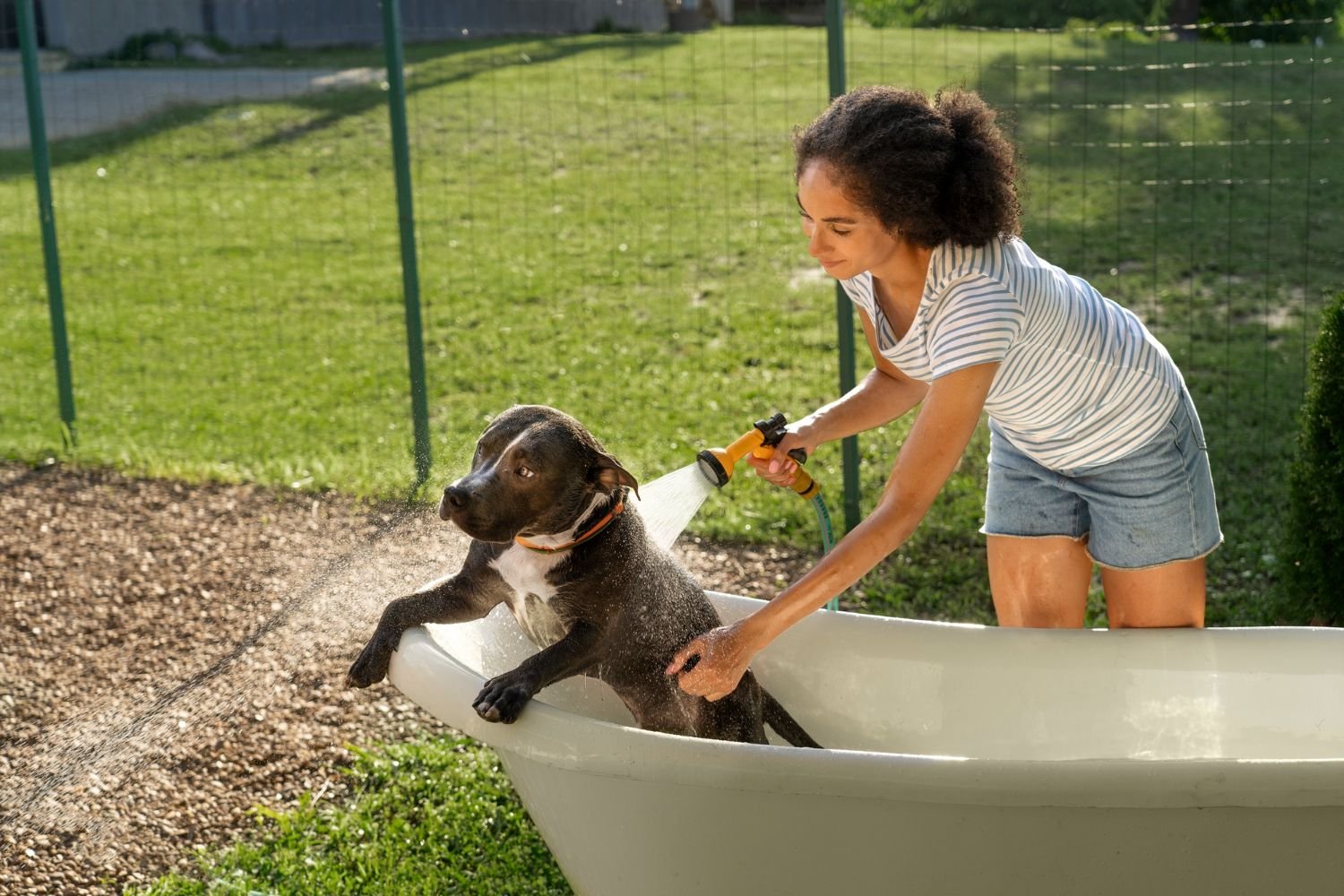
    Learn simple, safe techniques for home bathing, coat maintenance, gentle nail trimming, and basic ear cleaning to help your pet stay comfortable and clean.

  • Balanced Pet Nutrition

    Understand the role of key nutrients, explore balanced meal ideas, and learn about different diet types, including homemade and commercial options, so you can make informed choices for your pet's health.

  • Ethical Pet Adoption

    Prepare for the adoption journey with practical checklists, home preparation tips, and guidance on helping a rescued pet adjust to their new environment with patience and care.

  • Gentle Pet Training

    Address common behavioral challenges like excessive barking, separation anxiety, and leash pulling with patient, reward-based training methods that build trust and understanding.

  • Compassionate Pet Care

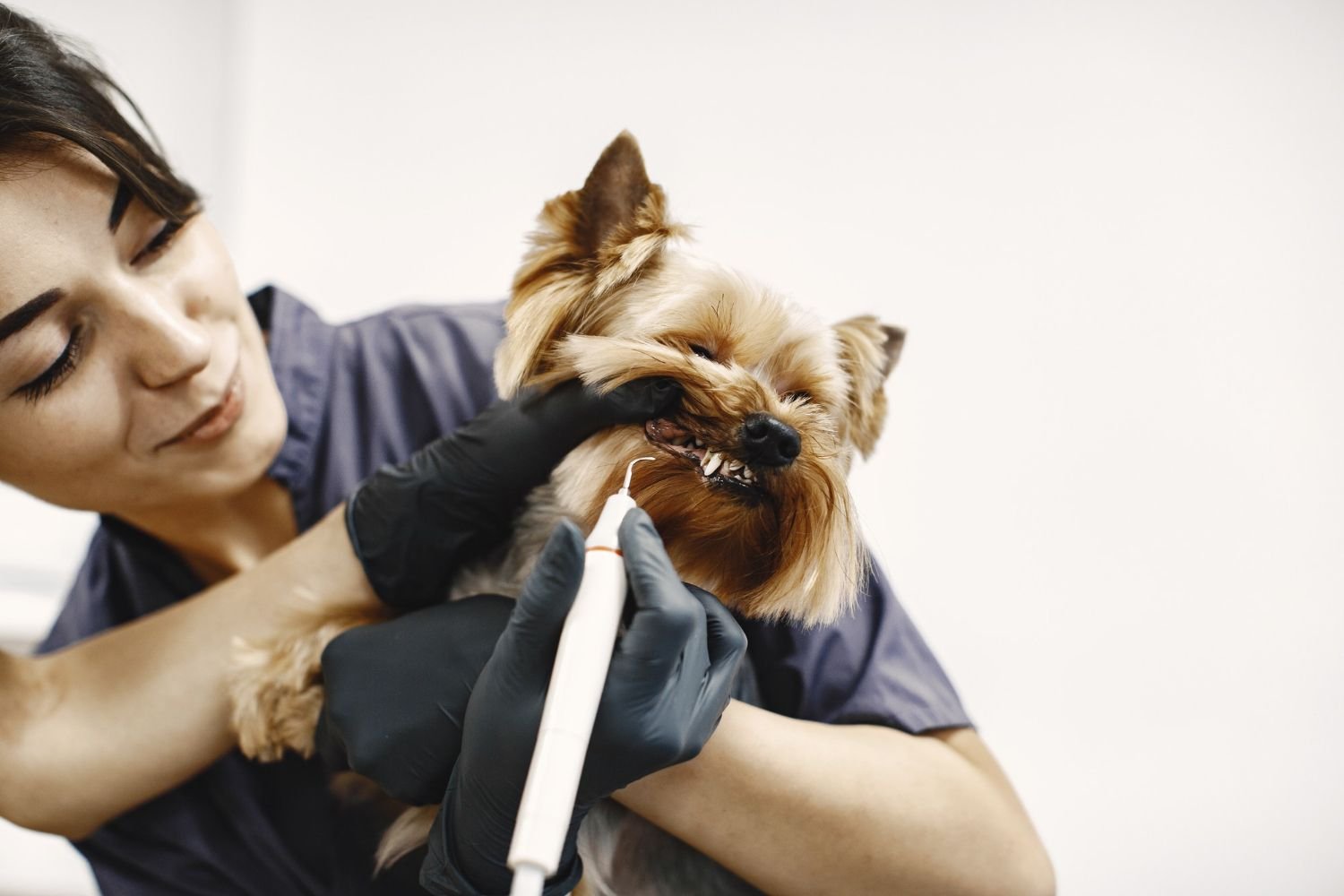
    Learn about everyday wellness habits, dental care tips, seasonal considerations, and activities that strengthen your bond with your pet.

Helpful Advice for Better Pet Parenting

Pet care is full of small questions, and sometimes a simple answer can make a big difference. Explore our latest articles for practical guidance on grooming, nutrition, training, adoption, behavior, and everyday care. We aim to make each topic easy to understand while giving you useful information you can take away and apply to your own pet.

FAQ

Frequently Asked Questions About Pet Care

Taking care of a pet comes with plenty of questions, especially when something changes in their behavior, diet, grooming routine, or daily habits. Here are answers to some of the questions pet parents commonly ask.

Seek veterinary care if your pet shows signs like lethargy, breathing changes, ongoing vomiting, or noticeable discomfort. If you are unsure whether something is an emergency, contacting a veterinarian is the safest option.

Most dogs with normal skin only require a bath every 4 to 8 weeks, as over-bathing strips away natural oils and can cause dryness. Cats are generally good self-groomers and rarely need full baths unless they get unusually dirty or have a skin condition.
Some plain foods that are generally well-tolerated by many dogs include cooked chicken (without seasoning), blueberries, pumpkin, and carrots. Always introduce new foods in small amounts and avoid onions, garlic, chocolate, grapes, raisins, and xylitol. When in doubt, consult your veterinarian.

Dogs may bark due to boredom, lack of exercise, excitement, fear, or reacting to something in their environment. Providing more physical activity, mental stimulation, and rewarding calm behavior can help. If barking persists, consider consulting a professional trainer.

Before bringing a rescue pet home, prepare food and water bowls, suitable food, a comfortable bed, a secure collar or harness with ID, basic grooming supplies, toys, and cleaning products. Also create a quiet space where your new pet can settle in gradually.

A gradual transition over 7 to 10 days is often recommended. Start by mixing a small amount of the new food with the old, and slowly increase the proportion of the new food. This can help reduce the chance of digestive upset.

Start slowly by letting your pet become familiar with having their mouth and lips touched. Introduce a pet-safe toothpaste and toothbrush gradually. Begin with short sessions and focus on the outer surfaces of the teeth. A calm, patient approach is more important than brushing for a long time.

Start with very short absences and gradually increase the time as your puppy remains comfortable. Provide a safe environment and suitable enrichment, and avoid making departures and arrivals overly dramatic. If your puppy shows severe distress, consult a veterinarian or qualified behavior professional.

Neither option is automatically better. A complete and balanced commercial diet can provide appropriate nutrition when suitable for the pet’s life stage. Homemade diets can also work but require careful nutritional planning. If you are considering a homemade diet long-term, consulting a veterinary nutrition professional is recommended.

Trim only a small amount at a time, especially with dark nails where the quick is harder to see. Use appropriate nail clippers designed for pets. If you are unsure or your dog’s nails are overgrown, a professional groomer or veterinarian can help.

Scratching is a natural behavior for cats to stretch muscles and mark territory. Providing sturdy scratching posts near the areas they target, and using catnip or toys to encourage use of the posts, may help redirect this behavior.

Look for nutritional adequacy information, feeding directions, and ingredient lists. An unfamiliar ingredient is not automatically unhealthy, so avoid judging a food solely by whether an ingredient name sounds complicated. Consider whether the food is appropriate for your pet’s life stage and needs.

Look for nutritional adequacy information, feeding directions, and ingredient lists. An unfamiliar ingredient is not automatically unhealthy, so avoid judging a food solely by whether an ingredient name sounds complicated. Consider whether the food is appropriate for your pet’s life stage and needs.

Exercise needs vary depending on the dog’s age, breed, health, and energy level. Some dogs do well with moderate daily walks and play, while active breeds may need more. Your veterinarian can help determine a suitable routine if your dog has health or mobility concerns.

Positive reinforcement means rewarding behaviors you want your dog to repeat. Rewards may include food, praise, play, or another thing the dog values. Over time, the dog learns that performing the desired behavior leads to something positive. This approach can be used for basic skills as well as everyday behavior challenges.

Possible signs include persistent itching, recurring ear problems, skin inflammation, or digestive issues. These signs can have many causes, so they do not automatically mean your pet has a food sensitivity. If an issue is suspected, a veterinarian may recommend a careful elimination diet or another diagnostic approach.

Adoption gives an animal the opportunity to find a permanent home while also giving you the chance to provide companionship to a pet that needs it. Shelters and rescues can often provide information about an animal’s known history, behavior, and medical care. Every organization is different, so ask questions and choose an animal that fits your household and lifestyle.

Use parasite prevention appropriate for your pet and follow the product instructions carefully. Depending on where you live and your pet’s lifestyle, your veterinarian may recommend year-round prevention. Regularly check your pet’s coat and skin, wash bedding as needed, and keep the home environment clean.

Contact a veterinarian or animal poison control service as soon as possible. Do not induce vomiting unless a veterinary professional specifically tells you to do so. Keep the product packaging or information about what your pet consumed available so the professional can assess the risk.

Start slowly in a controlled environment where both animals can remain comfortable. Keep initial interactions short and supervise them closely. Watch their body language and allow each animal to move away if needed. Some introductions may take days or weeks.

Spaying and neutering can prevent unwanted litters and may offer health and behavioral benefits for many pets. The appropriate timing and potential benefits can vary depending on the animal’s species, age, breed, and health. Discuss the decision with your veterinarian to determine what is suitable for your individual pet.

Get In Touch With Us

Have a Question or Feedback? We'd Love to Hear From You!

Have a question about one of our articles, a pet care topic you would like us to cover, or feedback about something you’ve read on Best Pet Mate? We are always happy to hear from our readers. Send us a message through the contact form below and tell us what is on your mind. Whether you are looking for a topic we have not covered yet or simply want to share your experience as a pet parent, your feedback helps us create more useful content for the Best Pet Mate community.